
Working in the UAE: A Guide for Pakistani Job Seekers
Date Published
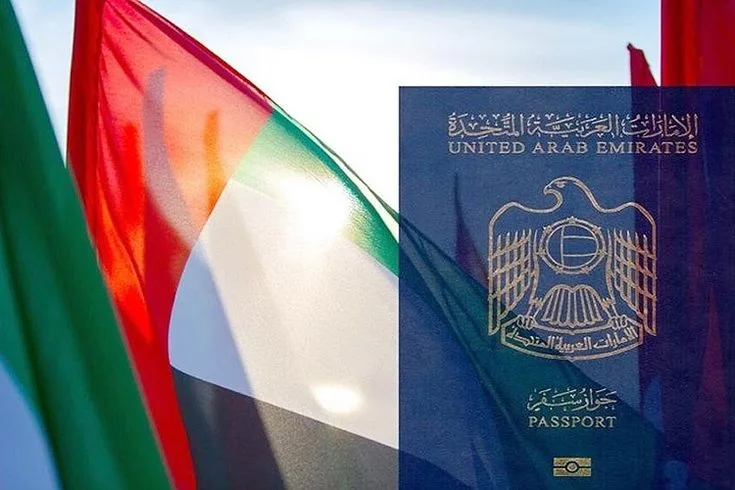
The United Arab Emirates — Dubai, Abu Dhabi, Sharjah and the other emirates — is one of the most popular destinations for Pakistani workers, with a diverse economy and steady demand. Here is what you need to know.
In-demand sectors
Construction and real estate, hospitality and tourism, retail, transport and logistics, facilities management, healthcare and the growing services economy all recruit from Pakistan — from general labour to skilled trades and professionals.
Work permit, Emirates ID and wage protection
Private-sector employment is regulated by the Ministry of Human Resources and Emiratisation (MOHRE). You work on a MOHRE work permit and labour card, hold an Emirates ID as your residence document, and your salary is paid through the Wage Protection System.
Contracts
The UAE uses fixed-term employment contracts under its current labour law, setting out salary, hours, leave and end-of-service benefits. Make sure the contract matches the offer you accepted.
How to apply
Have your passport, certificates, experience letters and a GAMCA-approved medical ready. Apply only through a BEOE-licensed agency against a documented vacancy, and be cautious of visit-visa “job hunting” offers that leave you without legal work status.
How Falisha Manpower helps
Falisha Manpower is a Government of Pakistan–licensed Overseas Employment Promoter (OEP Licence No. 4035, BEOE-registered) with over 15 years of experience placing Pakistani workers abroad. For UAE vacancies across trades, services and professional roles, we source and screen candidates, arrange trade tests and interviews, and manage medicals, documentation, visa processing and travel end to end.
Every placement is made on a documented employment contract, and in keeping with BEOE and Protector of Emigrants rules we never charge candidates unlawful fees.
Protect yourself from fraud
Only deal with a BEOE-licensed recruitment agency and confirm its OEP licence number before paying anything or handing over your passport. Be wary of “free visa” offers, guaranteed-job promises and demands for large upfront cash — these are the most common signs of a scam.
Always get your offer and contract in writing, verify the employer and visa authorisation through official channels, and keep copies of every document and receipt.